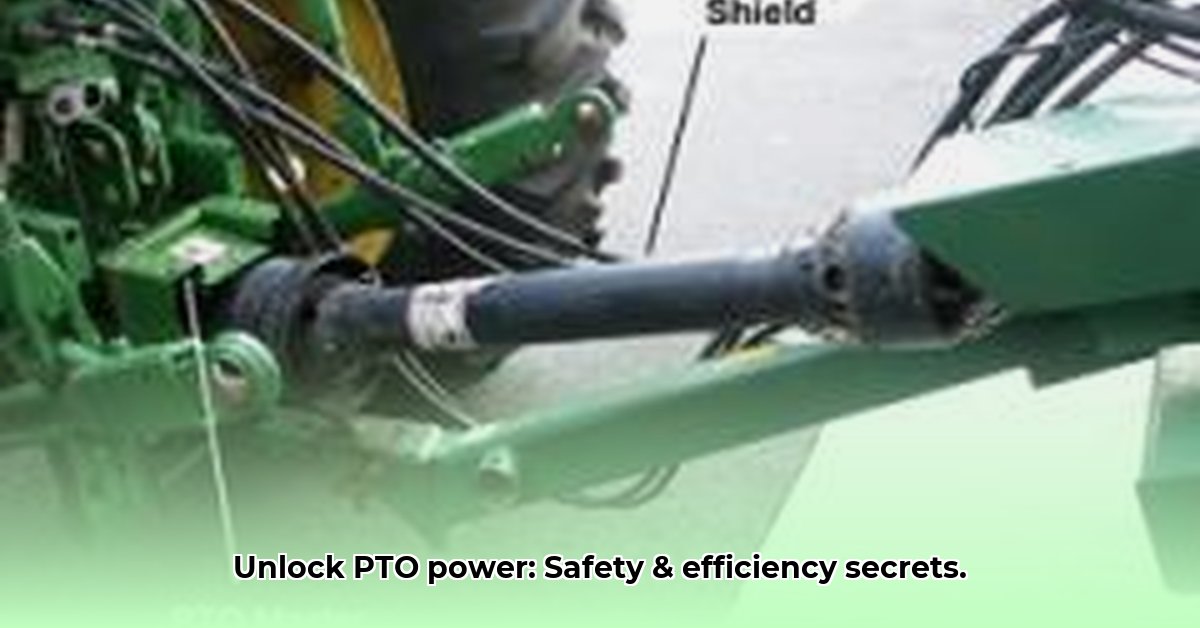
The power take-off (PTO) system—that spinning shaft on your tractor's rear—is the unsung hero of many farm operations. It's the crucial link powering everything from hay balers to grain augers, transforming your tractor from a simple pulling machine into a versatile workhorse. Understanding your PTO system is key to both safety and maximizing efficiency. This guide will equip you with the knowledge to confidently and safely operate your PTO system. For a deeper dive into PTO systems, check out this comprehensive guide.
Tractor Power Take-Off: Understanding the Fundamentals
Your tractor's PTO is a power transmission system, essentially a mechanical intermediary. It takes the power generated by your tractor's engine and transfers it to externally mounted implements. This efficient power transfer allows your tractor to perform a wide array of tasks beyond basic plowing. It's the defining difference between a simple tractor and a highly adaptable piece of farm equipment. But how exactly does it work? Let's delve into the specifics.
Different Types of PTO Systems: Finding the Right Fit
Several PTO types cater to diverse farming needs. Selecting the appropriate system significantly impacts your operational workflow. Which type is best for your farm?
Live PTO (LPTO): This system allows PTO engagement while the tractor is in motion. This uninterrupted power delivery is ideal for continuous operations such as mowing hay or baling.
Independent PTO: Unlike the LPTO, this system operates independently of the tractor's transmission. Engage the PTO even when stationary or idling, perfect for tasks involving stationary equipment like grain elevators or post-hole diggers.
Ground Power Take-Off (GPTO): Primarily used for powering stationary equipment in settings like orchards and vineyards, the GPTO provides a safe and reliable power source removed from the tractor.
The optimal PTO type depends on your farm's typical operations. Large-scale operations might favor LPTO's continuous power, while those with a higher proportion of stationary tasks might find the independent PTO more suitable.
PTO Speeds: RPM, Efficiency and Safety
PTO systems commonly operate at either 540 or 1000 revolutions per minute (RPM), in accordance with ISO 500 standards ensuring compatibility across manufacturers. However, newer tractors may offer 540E and 1000E options – electronically controlled speeds adapting to implement needs for enhanced efficiency and fuel economy. Some heavy-duty models even provide a 1300 RPM option for demanding tasks. The correct RPM is crucial. Using the wrong speed can damage your equipment and compromise safety. Always consult your implement's manual for precise RPM requirements.
Prioritizing Safety: Essential PTO Safety Practices
The high-speed rotation of the PTO shaft demands stringent safety measures. Carelessness can lead to serious injury. Safety is paramount!
Always Use the PTO Shield: This protective cover is non-negotiable. Never operate the PTO without it. It's your primary defense against the spinning shaft.
Proper Attire is Crucial: Avoid loose clothing or jewelry, which can easily become entangled. Wear close-fitting, durable work clothes.
Secure Connections are Vital: Double-check that the PTO shaft is firmly connected to your implement. A loose connection represents a serious safety risk.
Comprehensive Training is Essential: Never make assumptions. Proper training is crucial before handling this equipment.
Regularly inspect the shaft and connections for wear and tear. Immediate attention to any issues prevents significant problems.
Maintaining Your PTO for Optimal Performance
Regular maintenance guarantees a safe and efficient PTO system. Here's a simple maintenance checklist:
Lubrication: Regularly lubricate all components to reduce wear and ensure smooth operation.
Inspections: Regular visual checks are essential. Note signs of wear, damage, or leaks. Early detection prevents major problems.
Replacements: Timely replacement of worn parts avoids costly breakdowns and safety hazards.
Preventive maintenance ensures years of reliable service.
Troubleshooting Common PTO Issues
Even with diligent maintenance, problems can occur. Here are some common issues and troubleshooting steps:
No Power: Check all connections, ensure the PTO is properly engaged, and verify the implement's functionality.
Unusual Noises: Grinding or squealing often indicates worn bearings or loose components. Address these immediately to avoid further damage.
Excessive Vibrations: This suggests imbalance or misalignment. Proper alignment is critical to prevent damage.
Consult a qualified mechanic for problems you cannot solve.
The Future of PTO Technology
The agricultural landscape is constantly evolving, and PTO systems are no exception. Expect further advancements in control systems, enhanced data integration for optimized performance, and more seamless integration between tractors and implements. Technological innovation is continuously shaping the future of farming and PTO technology is at the forefront of this change.
Choosing the Right PTO Shaft: A Detailed Guide
Selecting the correct PTO shaft is critical for safe and efficient operation of your agricultural implements. A properly sized shaft minimizes power loss, improves fuel economy, extends implement lifespan, and prevents costly breakdowns. This section will guide you through the process of choosing the correct PTO shaft.
Matching Shaft to Implement
Before anything else, consult your implement’s owner’s manual. This essential document precisely outlines the required PTO shaft specifications. Without it, you risk selecting an incompatible shaft—like using the wrong key for a lock.
Measuring Your PTO Shaft Needs
Precise measurements are essential. Here’s a two-step process:
Measure the Distance: Carefully measure the distance between your tractor's PTO output shaft and the implement's input shaft. Ensure both are correctly positioned and leveled.
Account for Universal Joints: Add the length of the universal joints—the flexible components accommodating angular misalignment—to your initial measurement.
Understanding PTO Shaft Components
A PTO shaft is more than just a rod. It is a sophisticated assembly:
Splines: These interlocking teeth transmit power. Their count and type must precisely match your implement's requirements.
Universal Joints: These joints allow for angular misalignment, ensuring flexibility. Choose high-quality, durable joints for optimal performance.
Safety Features: Protective shields and breakaway chains are essential safety features, designed to minimize the risk of injury.
Material Considerations
The shaft's material composition significantly impacts its durability and lifespan. While cost is a factor, investing in high-quality materials minimizes the need for replacements.
Sourcing and Maintenance
Purchase PTO shafts from reputable suppliers. Regular maintenance, including lubrication and visual inspection, extends the shaft's lifespan and prevents unexpected failures.
Key Takeaways:
- Choosing the right PTO shaft is critical for safe and efficient equipment operation.
- Proper shaft sizing minimizes power loss and conserves fuel.
- Using the wrong shaft leads to increased wear and tear, shortening implement lifespan.
- Understanding PTO shaft specifications is crucial for success.
- Prioritize safety features like proper guards and chains.